
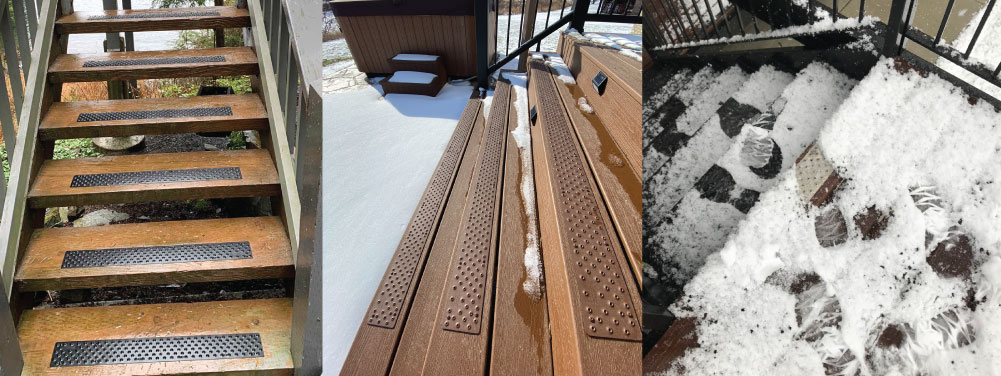
If you’ve ever felt your foot slip on a wet step, you know how scary it can be. And if they see frequent use, slippery outdoor wooden steps can be a serious safety hazard. In fact, slips and falls send over one million people to the emergency room each year in the U.S., and are the second leading cause of unintentional injury deaths globally. Moreover, the National Floor Safety Institute (NFSI) reports that over half of all slip-and-fall accidents are caused by hazardous walking surfaces– like a slick porch or stairs.

The good news? You don’t need to rebuild or replace your outdoor wooden steps to make them safer. By understanding why your steps get slippery and choosing the right non-slip stair treads or coatings, you can prevent dangerous falls while preserving your existing stairs.
Outdoor wooden steps can turn into a skating rink under the wrong conditions. Understanding the causes of slippery steps will help you treat the problem at its source. Common culprits include:
💧☔️ Moisture and Rain: Water creates a thin, slick layer on wood, especially if the wood is sealed or painted with a smooth finish. Rain and morning dew can leave your outdoor wooden steps slippery until they dry.
🟢 Algae, Mold, and Mildew: Damp, shaded areas allow algae and mildew to thrive. You might notice a green or black biofilm on steps that stay wet – that’s algae or mold feeding on moisture, and this kind of growth is even more slick.
❄️ Freeze-Thaw Cycle: In cold climates, steps get wet and then freeze. Ice is an obvious slip hazard, as a thin layer of ice or frost on wooden steps is nearly invisible but very slippery. The glaze left behind as melted ice refreezes can also be dangerously slick.
🌨️☃️ Snow: Packed snow on steps can turn to ice or create a wet, compacted surface with low traction.
🍂 Decaying Leaves and Debris: Piles of wet leaves or pine needles are another leading cause of slips. As organic debris breaks down, it forms a slimy film that reduces friction.
🪵 Worn or Smooth Wood: Over time, wood treads can wear down and lose their gritty texture. Old paint or sealant can also become slick when wet, especially if algae has grown on it.

Grit tape is like sandpaper with a sticky backing. You peel and stick these non-slip stair tread strips onto each step, adding a sandpapery surface that helps shoes grip.
Ultimately, grit tape works great as a temporary band-aid, but does not work as a permanent solution, especially for outdoor stairs that face rain and snow.
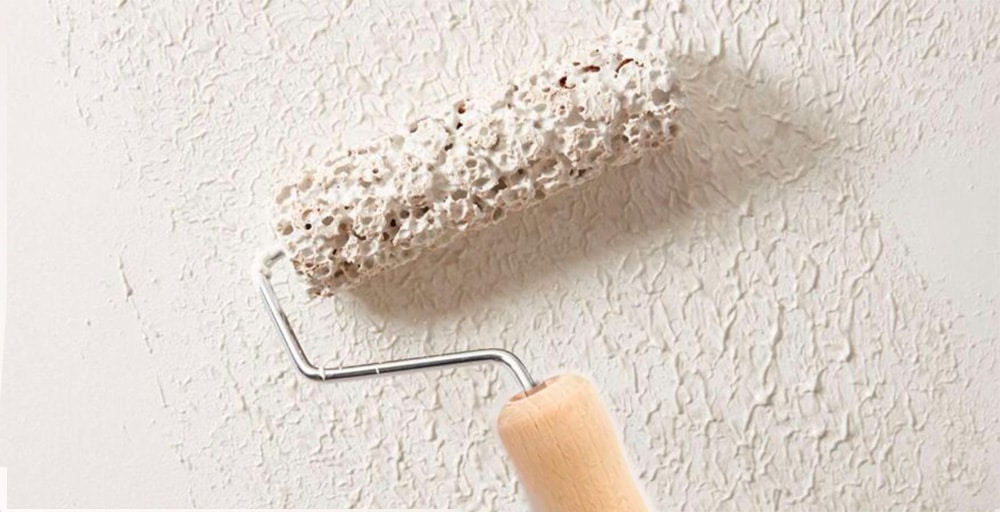
Anti-slip paint is essentially a paint-on grit coating. These products either come premixed with fine abrasive particles or you add a grit additive (like sand or grit particles) into a paint or sealant. You then brush or roll this textured paint onto your outdoor wooden step surfaces to create a grippy layer.
Overall, anti-slip paint works well as a short-term improvement, though it requires regular maintenance. It’s best for moderate climates or as a quick fix until you invest in a more robust solution.

Rubber stair treads or mats are coverings you place on each step to add more traction than the bare step. Some are heavy-duty rubber mats you simply lay down; others are thinner rubber or vinyl treads that can be glued or screwed in place. There are also rubber-backed outdoor stair pads that stick by friction.
They also require upkeep: you’ll need to periodically lift them to clean out dirt and algae underneath, and in winter, you might have to lift them to shovel out snow that sneaks beneath. Furthermore, while rubber won’t rot, it can crack or degrade from UV sunlight over a few years.
In summary, rubber treads can provide outdoor anti-slip stair covering for wood in moderate conditions, but they can pose trip and fall hazards of their own. They are a medium-term solution, as they are more durable than tape or paint, but not as permanent as metal treads.
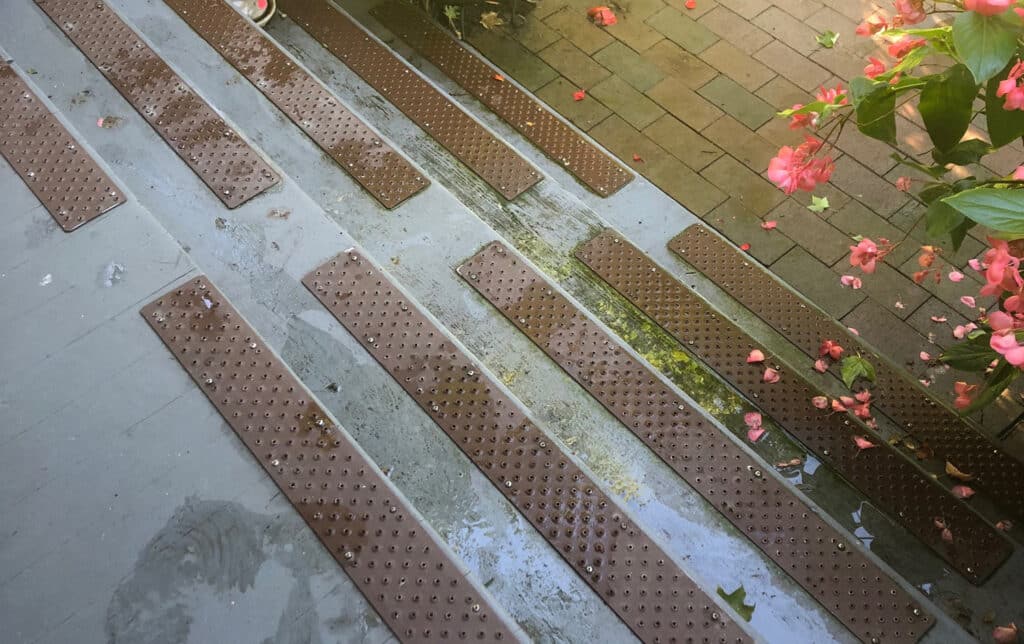
Outdoor stair treads for wooden steps reflect the most permanent solution and are typically made from rust-proof aluminum with an aggressive traction surface. An example is HandiTreads aluminum stair treads, which are pre-fabricated treads you screw onto each step. Outdoor step treads often feature a raised pattern for grip, such as ridges or button-like protrusions.
Unlike tapes or paints, there’s nothing to peel or wear out, and no reapplication is needed. Aluminum won’t rust (it’s often powder-coated), and it won’t rot. These treads are securely fastened with screws, so they stay in place even under heavy use or shoveling. Furthermore, maintenance is low, consisting only of occasional cleaning if debris accumulates, and the best quality outdoor non-slip stair treads for wood come with a lifetime warranty.
Aluminum stair treads also have the best seasonal performance, not sacrificing safety across changing weather conditions. Their open, rigid design allows water to drain instead of pooling, resists algae growth in humid months, and makes seasonal debris like leaves easy to remove. In colder climates, the textured surface continues to provide traction through frost and light snow, and the treads can be cleared with standard snow removal tools. Unlike coatings or adhesives that depend on dry installation conditions, aluminum treads can be installed year-round, including in cold or damp weather, making them a reliable option in variable climates. Find the right stair treads for you.
Conclusion: Anti-slip stair treads are widely regarded as the most reliable, permanent fix for slippery stairs. When safety is a top priority, or you’re tired of reapplying temporary fixes, this is the go-to solution.
Engineering matters when you’re choosing a long-term fix for outdoor traction, as most solutions on the market are short-term and fail in predictable ways outdoors. Adhesive products like grit tape depend on glue that can weaken in moisture, heat, and freeze–thaw conditions. Coatings, like paint, rely on a thin surface layer that gradually wears down under foot traffic, UV exposure, and repeated wetting and drying. Even rubber mats can create problems over time because they can shift on wet wood and often trap water underneath, which promotes algae growth and speeds up rot.
Ultimately, HandiTreads’ aluminum stair treads add a dedicated traction layer that is mechanically fastened and built to perform outdoors. That design choice matters for three reasons:

Many homeowners replace wood with composite decking, such as Trex, thinking it will be slip-proof. While composites are less prone to algae than outdoor wooden steps, they can still be slippery when wet. In fact, if you’ve ever wondered, “Is Trex slippery when wet?” – the answer is yes, it can be, especially if there’s any film of water or pollen on the surface.
The challenge with composites is that you don’t want to damage the boards, so adhesive options or surface-mounted treads are preferable to anything that requires aggressive scrubbing or could void your deck’s warranty. And if you’re wondering how to make Trex less slippery, the same traction principles that apply to wood steps generally apply to composite stairs as well.
Ultimately, aluminum treads are the most effective in providing a safe, permanent grip without harming the deck.
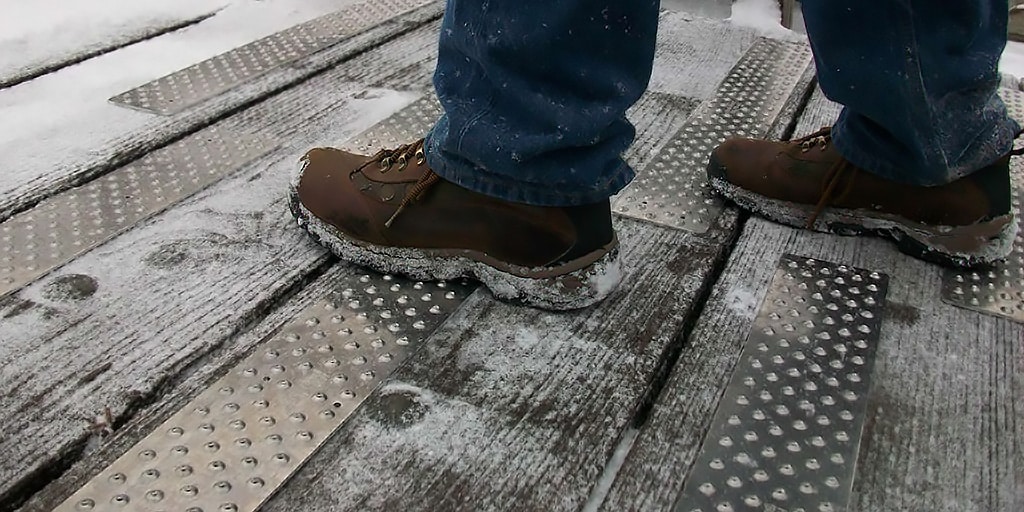
By considering your climate, usage, and willingness to do maintenance, you can pick the right solution from the range of outdoor non-slip stair treads for wood available. Don’t wait for a close call or costly injury to make a change. With the right solution in place, you can enjoy your outdoor wooden steps year-round without fear. Whether it’s a quick fix with grit tape or a permanent upgrade with non-slip outdoor stair treads, a slip-free staircase is within reach for every homeowner and property manager. Stay safe, and step confidently!